
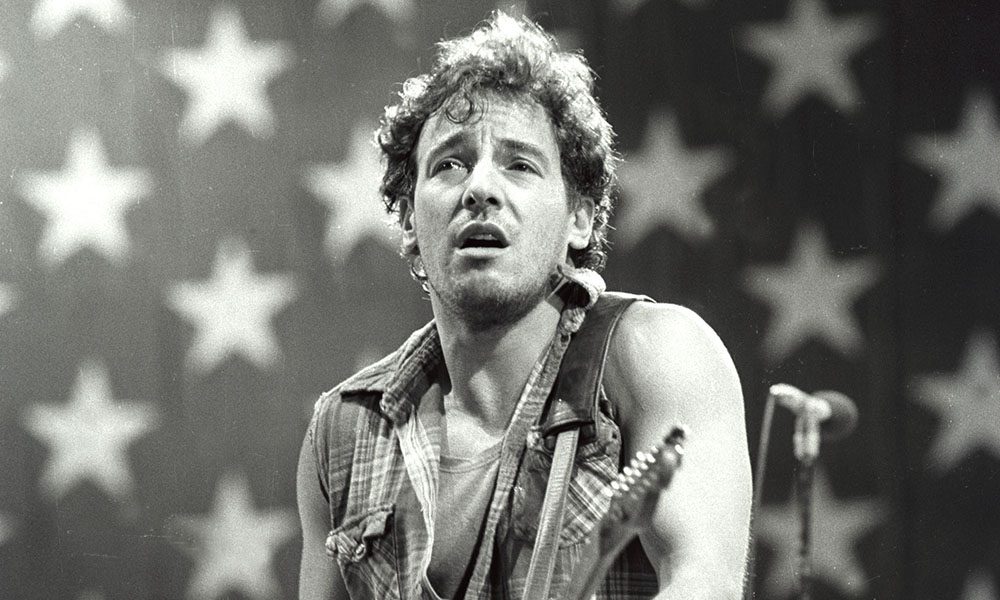
When we think of people like Bruce Springsteen or Elton John, we see talent, success, stadiums full of fans — lives that look almost untouchable. But films like Deliver Me From Nowhere and Rocketman show something deeper: no amount of fame, achievement or financial security gives any of us immunity from the impact of childhood trauma.
In Springsteen’s story, we see how the emotional landscape of his early years — especially growing up with an alcoholic father — shaped him well into adulthood. By his early 30s, despite the world seeing a rising superstar, he was privately battling depression, fear, and a deep sense of loneliness. These wounds weren’t about weakness. They were about history.
And that’s the truth many people never hear:
You cannot out-achieve your childhood. You can only heal it.
The Past Doesn’t Disappear Just Because Life Looks Better
It’s easy to imagine that once we hit adulthood — or reach certain milestones — we’ve left our past behind. But trauma isn’t the kind of thing you can simply walk away from. It lives in the nervous system, in the stories we tell ourselves, and in the ways we relate to others.
In Rocketman, we see Elton John in group therapy, meeting younger versions of himself — a moving representation of inner-child work. It highlights something therapists see every day:
-
The child who felt unsafe becomes the adult who anticipates rejection.
-
The child who had an unpredictable parent becomes the adult who feels anxious in relationships.
-
The child who learned to cope through silence, pleasing or performing becomes the adult who repeats those same patterns.
You don’t need to be a global superstar to recognise yourself in these dynamics.
Childhood Trauma Shows Up in Adulthood in Subtle (and Not-So-Subtle) Ways
Here are some of the ways early experiences can shape adult life, even decades later:
-
People-pleasing or over-functioning
-
Depression and anxiety
-
Addictive behaviours
-
Difficulty trusting or setting boundaries
-
Feeling responsible for other people’s emotions
-
Choosing partners who feel familiar rather than safe
-
A constant sense of “not being enough”
Springsteen’s depression in his early 30s wasn’t a random episode — it was part of a lifelong emotional pattern shaped by an unpredictable and emotionally distant father.
This doesn’t mean he was doomed by his past. It simply means he had to face it.
And eventually, he did — with compassion, honesty and, ultimately, forgiveness.
Forgiveness Isn’t About Excusing — It’s About Releasing
One of the most powerful themes in Deliver Me From Nowhere is Springsteen’s relationship with his father. Not because the film romanticises it — but because it shows something much more real:
Forgiveness can be part of healing, but it usually comes only after understanding, boundaries, and processing the pain.
Forgiveness is not:
-
saying what happened was okay
-
minimising the harm
-
pretending the past didn’t matter
Forgiveness is:
-
releasing the emotional grip the past holds
-
choosing freedom over resentment
-
allowing your adult self to step forward
Many people never reach this stage because they try to skip the healing and jump straight to forgiveness. But real forgiveness grows from processing — not pretending.
Inner-Child Work Helps Break Long-Standing Patterns
Inner-child work, like what we see depicted in Rocketman, is a powerful therapy approach because it allows us to:
-
reconnect with the parts of ourselves that were hurt
-
understand how those wounds shaped our adult behaviours
-
learn new emotional patterns
-
offer ourselves compassion we never received
When done gently and safely, this work can transform relationships, self-esteem, and coping strategies.
If Huge Stars Need Help, It’s OK That You Do Too
One of the most healing messages in these films is simple:
Pain doesn’t disappear just because life looks good on the outside.
If Bruce Springsteen, Elton John, and countless other public figures can be vulnerable, seek help, and do deep emotional work, it’s absolutely valid for you to do the same.
You don’t need to wait until you “deserve” support.
You don’t need to minimise what you went through.
You don’t need to cope alone.
If This Resonated With You
I support adults in Romford, Harold Wood and the wider Havering area who are healing from trauma, addiction and codependency. If you recognise parts of yourself in these stories — or if you’re supporting a loved one who is struggling — you don’t have to figure it out on your own.
You are not your past — but your past does deserve to be heard.
Andrea, x