Nervous System Stuck in Fight or Flight? Signs, Causes and How to Reset It

nervous-system-stuck-in-fight-or-flight.alt

When Your Nervous System Can’t Switch Off Your body is designed to protect you. Long before logic kicks in, your nervous system scans for danger and prepares you to survive it. This survival response — often called fight, flight, or freeze — is fast, automatic, and incredibly effective in genuine emergencies. But when stress or …

DEAR MAN: A Trauma-Informed Guide to Asking for What You Need

DEAR-MAN-A-Trauma-Informed-Guide-to-Asking-for-What-You-Need.alt

Many people I work with struggle to ask for what they need. They worry about being too much, causing conflict, or being rejected. For people with trauma histories, addiction, or codependent patterns, this fear often comes from past experiences where needs were ignored, punished, or used against them. DEAR MAN is a practical communication tool …

When Everything Feels Like Too Much: Understanding Emotional Reactivity

when-everything-feels-too-much.alt

If you find yourself reacting strongly in situations that don’t seem to warrant it — snapping at small frustrations, shutting down in conversations, feeling overwhelmed by tone, pressure, or conflict — there’s a good chance this isn’t about your personality or self-control. It’s about your nervous system. Stress doesn’t just affect your thoughts. It changes …

Why Do Some People Confuse Pity or Sympathy With Love?

Why-Do-Some-People-Confuse-Pity-or-Sympathy-With-Love.alt

Understanding the difference — and how it shapes relationships affected by trauma, addiction, and codependency When you care deeply about someone who’s struggling — whether with addiction, trauma, or emotional instability — it’s natural to want to help. But sometimes, feeling sorry for someone can become tangled up with romantic or emotional attachment. Many people …

Underneath Every Behaviour Is a Feeling: Why Curiosity Helps Us Heal More Than Judgement

Underneath-Every-Behaviour-Is-a-Feeling.alt

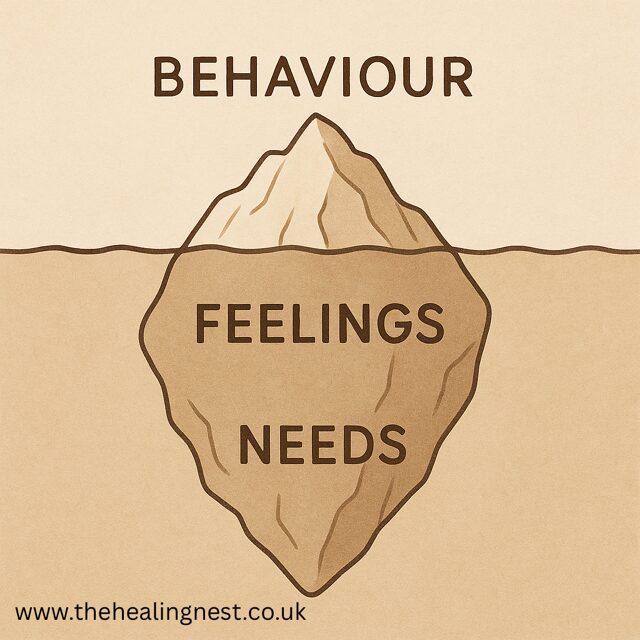
When someone we love behaves in a way that confuses, angers, hurts, or frustrates us, it’s natural to jump to conclusions. We label people as dramatic, attention-seeking, promiscuous, needy, lazy, or difficult.But these labels only tell us what we see. They reveal nothing about what is happening inside. If we look beneath the behaviour, we …

Even Superstars Carry Childhood Scars: My Reflection On The New Springsteen Movie ‘Deliver Me From Nowhere’

Even-Superstars-Carry-Childhood-Scars.alt

When we think of people like Bruce Springsteen or Elton John, we see talent, success, stadiums full of fans — lives that look almost untouchable. But films like Deliver Me From Nowhere and Rocketman show something deeper: no amount of fame, achievement or financial security gives any of us immunity from the impact of childhood …

When Your Parents Never Said “I Love You” — Understanding the Impact and Finding Healing

when-your-parents-never-said-i-love-you.alt

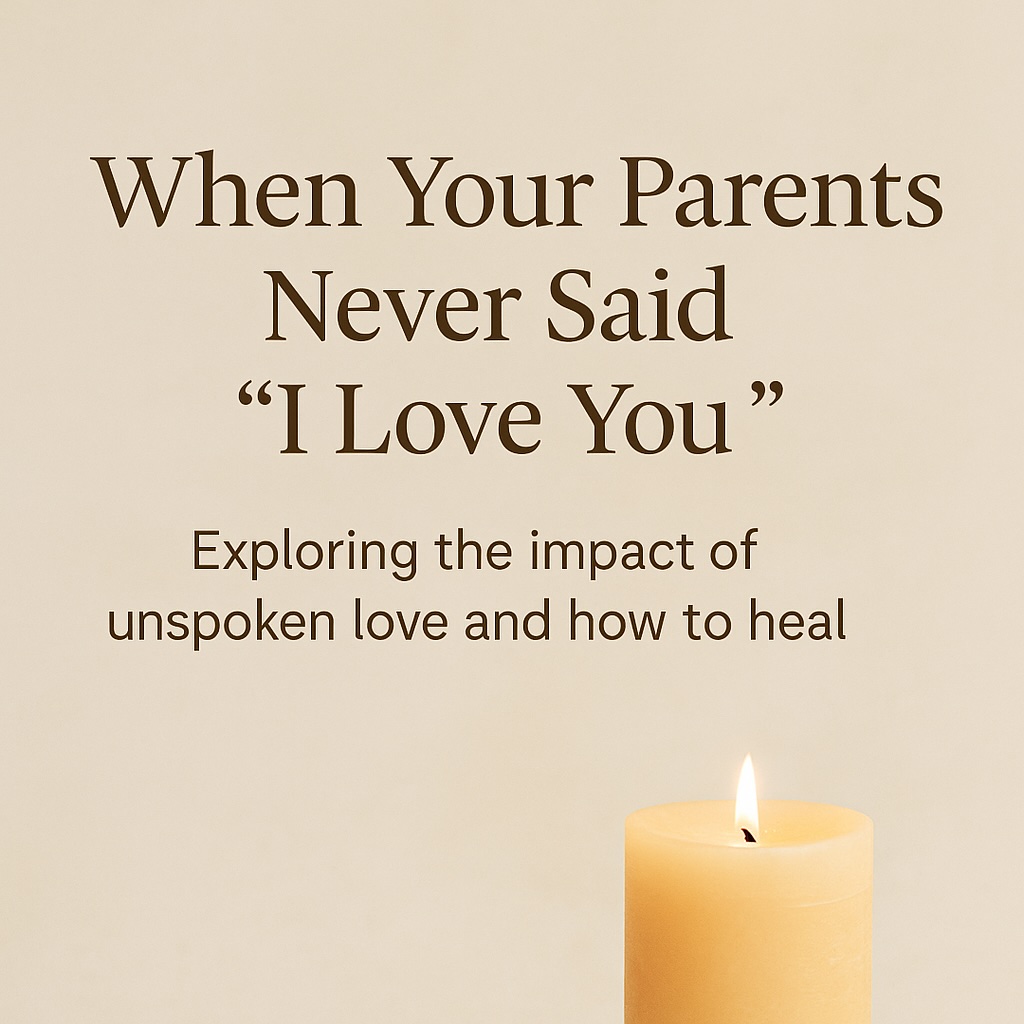
When love was shown but never said Many of us grew up knowing our parents loved us in practical ways — they provided food, shelter, and perhaps stability — yet they never said “I love you.” That silence can leave a quiet ache. As a trauma therapist working with people in addiction, recovery and codependency, …

Why Do I Always Feel the Need to ‘Rescue’? Understanding Childhood Trauma and Codependency

Why-Do-I-Always-Feel-the-Need-to-‘Rescue.alt

Many people who struggle with codependent behaviours describe a constant urge to rescue, fix, or manage others. If this sounds familiar, it’s important to know: these patterns are not a personal flaw. They are learned survival strategies developed in response to early emotional experiences. Understanding how childhood trauma shapes codependency is the first step toward …

The 4 Types of Codependency: Which One Do You Recognise?

The-4-Types-of-Codependency.alt

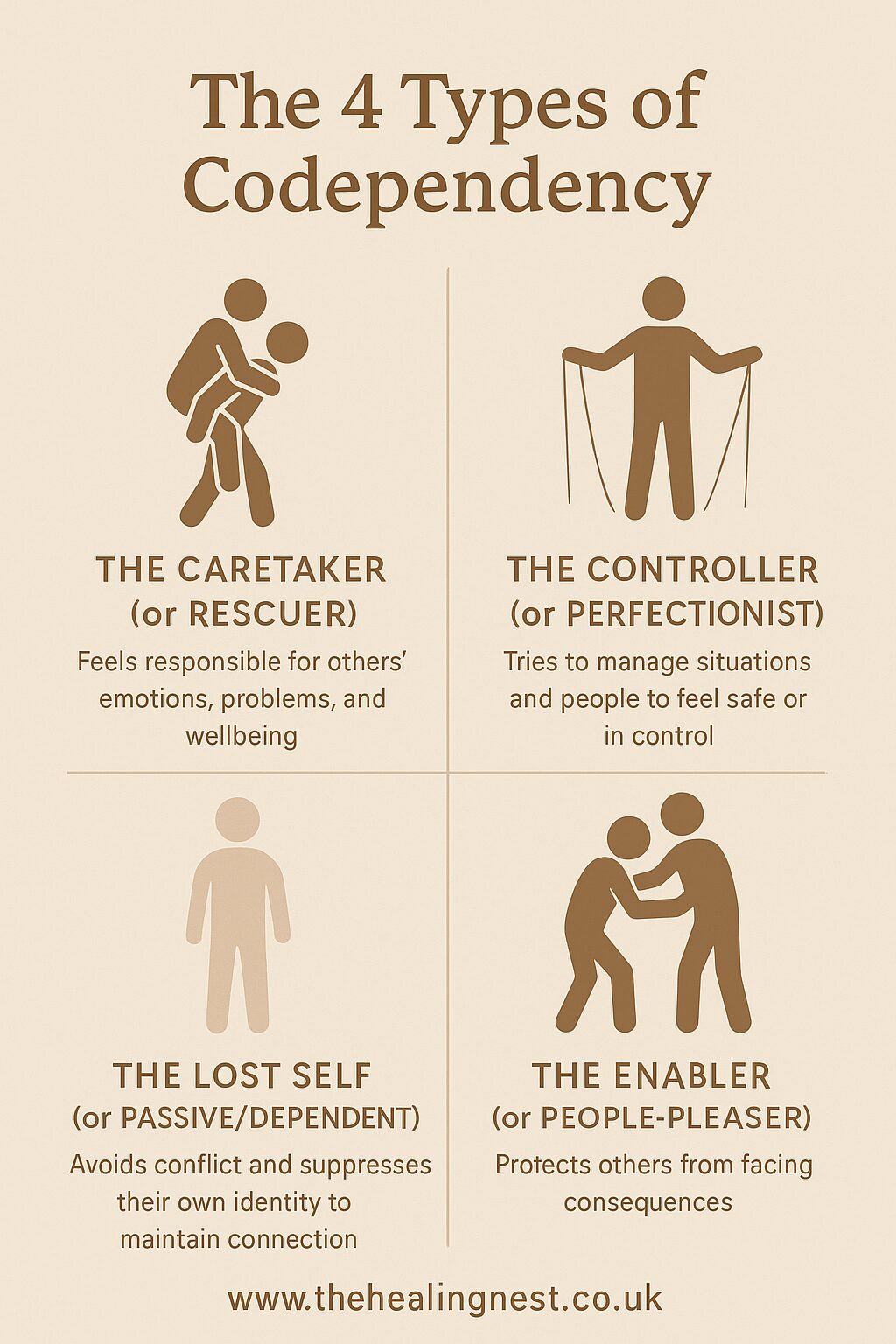
Codependency is a word that gets used a lot, but it can be hard to fully understand. At its core, codependency is about losing yourself in relationships – whether that’s with a partner, family member, or friend. People who struggle with codependency often put others’ needs before their own, feel responsible for other people’s emotions, …