

When Your Nervous System Can’t Switch Off
Your body is designed to protect you. Long before logic kicks in, your nervous system scans for danger and prepares you to survive it. This survival response — often called fight, flight, or freeze — is fast, automatic, and incredibly effective in genuine emergencies.
But when stress or trauma has been ongoing, the nervous system can struggle to stand down. Instead of returning to calm, it stays locked in survival mode. Even when life looks “fine” on the outside, your body may still feel tense, wired, or unsafe.
Many people describe it as never fully relaxing, always waiting for something to go wrong, or feeling constantly exhausted yet on edge.
What Is the Fight–Flight–Freeze Response?
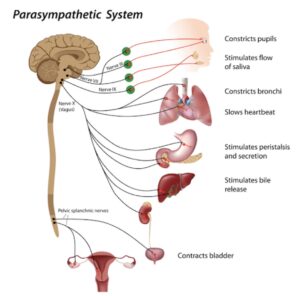
Fight, flight, and freeze are natural survival states controlled by the autonomic nervous system. They are fuelled by stress hormones like adrenaline and cortisol, which prepare the body for immediate action.
-
Fight prepares you to defend yourself — muscles tense, focus sharpens, and pain sensitivity drops.
-
Flight gears the body for escape — heart rate increases, breathing becomes faster, and energy surges.
-
Freeze is a protective shutdown — the body may feel heavy, numb, disconnected, or stuck.
None of these responses are conscious choices. They happen automatically, without asking your permission.
The Subconscious Mind: Always Focused on Safety
Most of this activity is driven by the subconscious mind. It controls the processes you don’t think about — breathing, balance, reflexes, and emotional reactions. Its job is simple: keep you alive.
That’s why you:
-
Flinch before you realise something is flying toward you
-
Regain your balance on uneven ground without thinking
-
Jump at a sudden noise before identifying it
However, after trauma, emotional neglect, chronic stress, or unpredictable environments, the subconscious mind can become overprotective. It starts reacting to everyday situations as though they are dangerous — keeping the nervous system on constant alert.
8 Signs Your Nervous System Is Stuck in Fight or Flight
When survival mode becomes the default, it often shows up in both the body and the mind.
1. Ongoing exhaustion
Living in a state of high alert burns through energy. Many people feel permanently tired, even after rest.
2. Sleep problems
A vigilant nervous system struggles to fully relax, making it hard to fall asleep, stay asleep, or wake feeling restored.
3. Digestive difficulties
Stress diverts energy away from digestion, which can contribute to bloating, IBS symptoms, constipation, or nausea.
4. Anxiety or low mood
A brain scanning for danger often fuels worry, rumination, and emotional heaviness.
5. Frequent illness
Long-term stress can weaken immune responses, making you more prone to colds and infections.
6. Poor focus and concentration
When your brain is prioritising safety, it’s harder to concentrate, remember things, or stay present.
7. Panic symptoms
Sudden surges of adrenaline can cause racing heart, breathlessness, dizziness, and fear of losing control.
8. Trauma responses or PTSD
In more severe cases, unresolved trauma can lead to flashbacks, emotional numbness, or feeling stuck in the past.
These symptoms are not signs that you’re “broken”. They are signs that your nervous system has been working overtime to protect you.
Why Modern Life Keeps Us in Survival Mode
Most people today are not facing life-threatening danger — yet their bodies behave as though they are.
Instead of physical threats, we experience:
-
Constant deadlines
-
Financial pressure
-
Relationship stress
-
Digital overload
-
Very little true rest
Stress builds gradually, like water filling a bucket. When that bucket overflows, the brain interprets it as danger and activates the fight-or-flight response — even when the threat is emotional rather than physical.
How to Reset a Nervous System Stuck in Fight or Flight
The nervous system is not fixed. With the right support, it can learn that safety is possible again.
1. Mindfulness and slow breathing
Gentle breathing practices help signal safety to the brain and activate the body’s calming response.
2. Time in nature
Natural sounds, light, and movement have a regulating effect on the nervous system, often without effort.
3. Regular movement
Movement releases stress hormones and reassures the body that action has been taken.
4. Prioritising sleep
Sleep is when the nervous system repairs itself. Consistent routines matter more than perfection.
5. Nourishing food
Stable blood sugar and adequate nutrients support emotional regulation and nervous system balance.
6. Shifting inner dialogue
Reframing challenges as manageable — rather than dangerous — reduces threat signals in the brain.
7. Professional support
Trauma-informed therapy and approaches that work directly with the nervous system can help retrain subconscious patterns and restore a sense of internal safety.
You’re Not Failing — Your Nervous System Is Protecting You
If your nervous system feels stuck in fight, flight, or freeze, it doesn’t mean something is wrong with you. It means your body learned that being alert was necessary at some point — and hasn’t yet learned that things are safer now.
With patience, compassion, and the right support, that can change.
Gentle Next Steps
If you’re based in Romford, Harold Wood, or the wider Havering area and

recognise yourself in this, you don’t have to work through it alone. Trauma-informed therapy can help your nervous system slowly relearn safety — at a pace that feels right for you.
You can contact me here to explore therapy support or learn more about working with your nervous system.