
When You Over-Do Friendships: Codependency, Boundaries, and Resentment

When You Over-Do Friendships: Codependency, Boundaries, and Resentment.alt

For a long time, I was deeply codependent in friendships — even before I had the language for it. On the surface, I looked like a great friend. I was generous, thoughtful, reliable. I was the one who made the effort, remembered things, showed up, and took care of people. Underneath, though, I didn’t believe …

The Grey Rock Method: What It Is, When to Use It & How to Protect Your Peace

grey-rock-method.alt

By Andrea — Trauma & Addiction Therapist, Romford & Havering If you’ve ever dealt with someone who drains your energy, constantly criticises you, or thrives on drama, you may have stumbled across the Grey Rock Method.It’s a simple but powerful technique used to protect your emotional wellbeing when someone becomes manipulative, toxic, or emotionally overwhelming. …

DEAR MAN: A Trauma-Informed Guide to Asking for What You Need

DEAR-MAN-A-Trauma-Informed-Guide-to-Asking-for-What-You-Need.alt

Many people I work with struggle to ask for what they need. They worry about being too much, causing conflict, or being rejected. For people with trauma histories, addiction, or codependent patterns, this fear often comes from past experiences where needs were ignored, punished, or used against them. DEAR MAN is a practical communication tool …

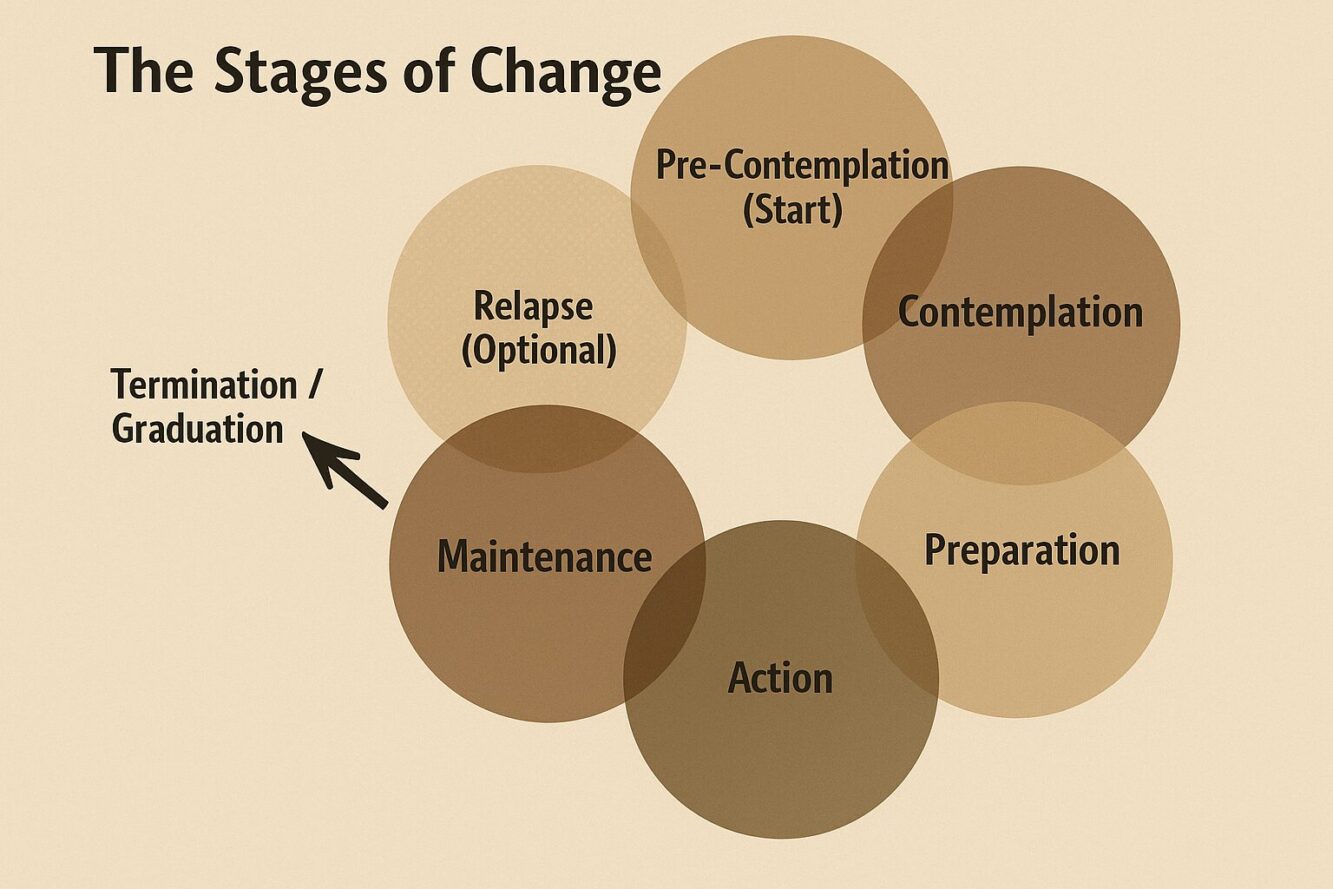
The Stages of Change in Addiction Recovery: A Compassionate Guide for Anyone Seeking Freedom

The Stages of Change in Addiction Recovery.alt

Addiction recovery is rarely a straight line. For many people, change happens gradually, with moments of clarity, hesitation, courage, and sometimes relapse. The Stages of Change model — also known as the Transtheoretical Model— helps us understand this process in a way that is gentle, realistic, and deeply human. If you or someone you love …

Why Do Some People Confuse Pity or Sympathy With Love?

Why-Do-Some-People-Confuse-Pity-or-Sympathy-With-Love.alt

Understanding the difference — and how it shapes relationships affected by trauma, addiction, and codependency When you care deeply about someone who’s struggling — whether with addiction, trauma, or emotional instability — it’s natural to want to help. But sometimes, feeling sorry for someone can become tangled up with romantic or emotional attachment. Many people …

Why We Weren’t “Stupid” for Ignoring Red Flags (And What Our Nervous System Was Trying to Protect Us From)

red-flags.alt

When we look back on relationships, friendships, or family dynamics that hurt us, it’s so easy to feel ashamed. “How didn’t I see it?” “Why did I stay?” “Was I stupid?” If you’ve ever asked yourself these questions, you’re not alone — and you absolutely weren’t stupid. Ignoring red flags is a deeply human response, …

Even Superstars Carry Childhood Scars: My Reflection On The New Springsteen Movie ‘Deliver Me From Nowhere’

Even-Superstars-Carry-Childhood-Scars.alt

When we think of people like Bruce Springsteen or Elton John, we see talent, success, stadiums full of fans — lives that look almost untouchable. But films like Deliver Me From Nowhere and Rocketman show something deeper: no amount of fame, achievement or financial security gives any of us immunity from the impact of childhood …

When a Child Becomes the Caregiver: Healing the Parentified Child

when-a-child-becomes-a-caregiver.alt

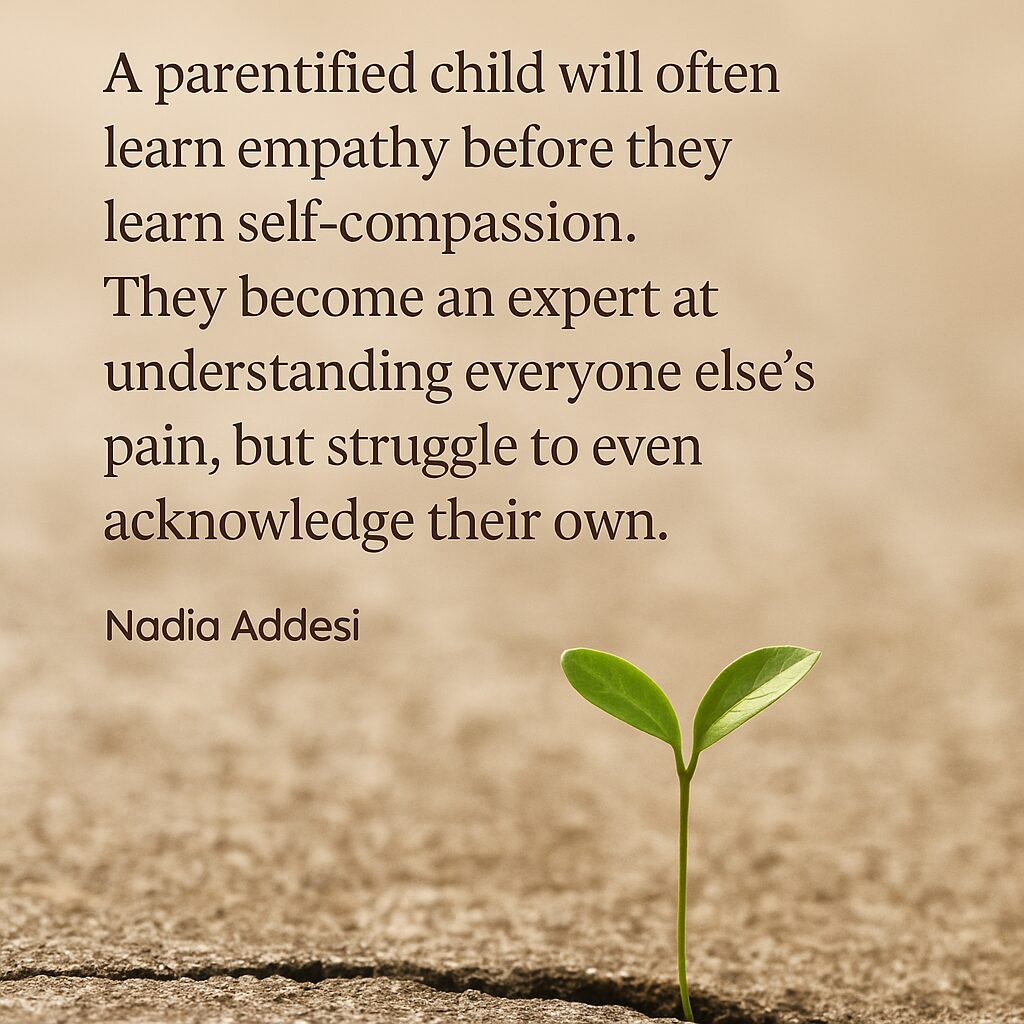
“A parentified child will often learn empathy before they learn self-compassion.They become an expert at understanding everyone else’s pain, but struggle to even acknowledge their own.”— Nadia Addesi When a child is placed in the position of caring for a parent emotionally, they don’t just grow up faster — they grow around the needs of …