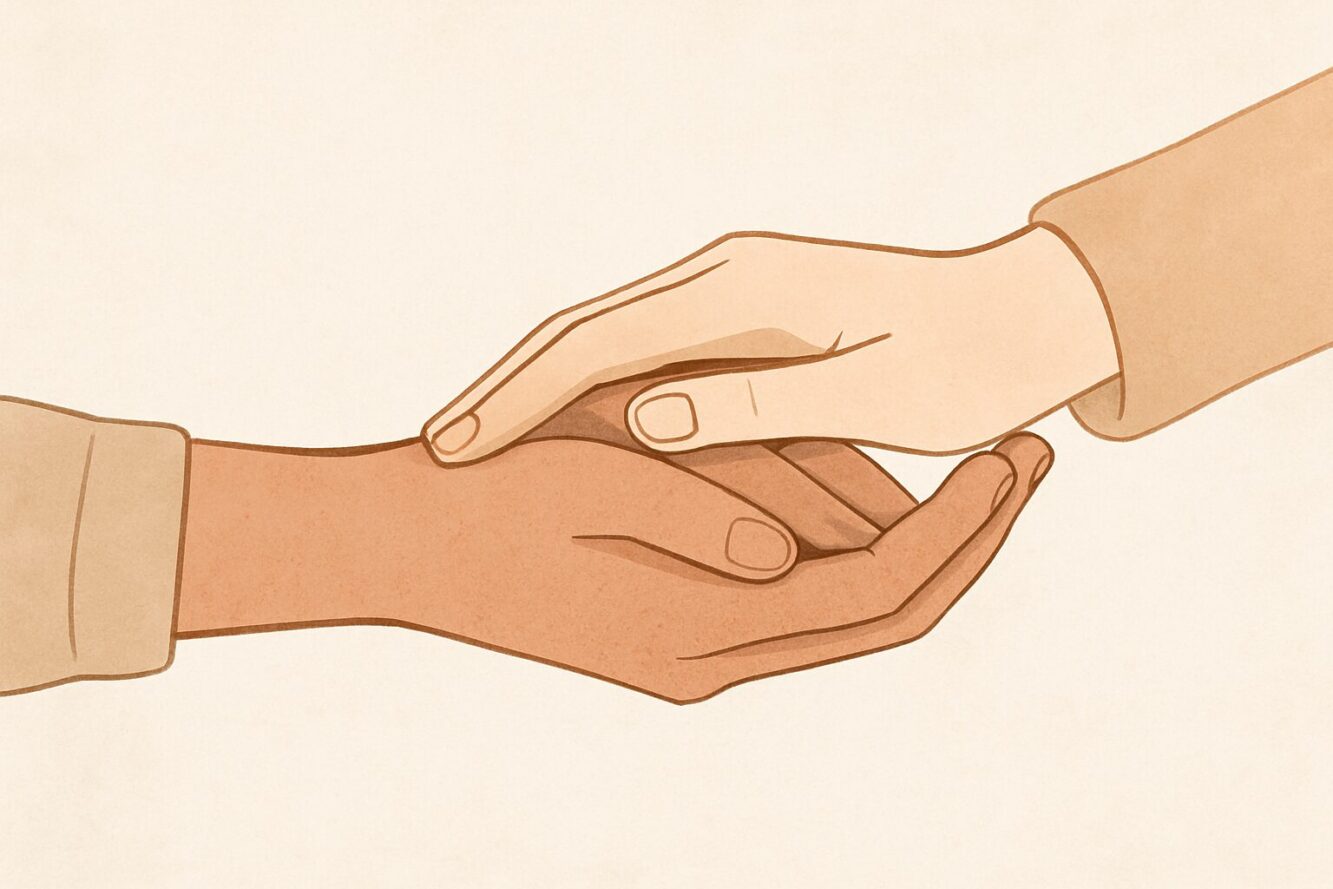
There is a version of me that people see now — calm, grounded, put together. A therapist. Someone with boundaries, direction, and a strong sense of self. And that version of me is real. But it isn’t where I started. I’m aware that when you’re struggling — with addiction, codependency, the aftermath of abuse, or …
Are You Making Decisions from FOG?
How Fear, Obligation and Guilt Quietly Control Your Choices Have you ever said yes to something while every part of you wanted to say no? Or stayed in a situation that didn’t feel right, not because you wanted to — but because leaving felt too uncomfortable, too selfish, or too risky? If so, there’s a …
When You Over-Do Friendships: Codependency, Boundaries, and Resentment
For a long time, I was deeply codependent in friendships — even before I had the language for it. On the surface, I looked like a great friend. I was generous, thoughtful, reliable. I was the one who made the effort, remembered things, showed up, and took care of people. Underneath, though, I didn’t believe …
Continue reading “When You Over-Do Friendships: Codependency, Boundaries, and Resentment”
Nervous System Stuck in Fight or Flight? Signs, Causes and How to Reset It
When Your Nervous System Can’t Switch Off Your body is designed to protect you. Long before logic kicks in, your nervous system scans for danger and prepares you to survive it. This survival response — often called fight, flight, or freeze — is fast, automatic, and incredibly effective in genuine emergencies. But when stress or …
Continue reading “Nervous System Stuck in Fight or Flight? Signs, Causes and How to Reset It”
The Grey Rock Method: What It Is, When to Use It & How to Protect Your Peace
By Andrea — Trauma & Addiction Therapist, Romford & Havering If you’ve ever dealt with someone who drains your energy, constantly criticises you, or thrives on drama, you may have stumbled across the Grey Rock Method.It’s a simple but powerful technique used to protect your emotional wellbeing when someone becomes manipulative, toxic, or emotionally overwhelming. …
Continue reading “The Grey Rock Method: What It Is, When to Use It & How to Protect Your Peace”
DEAR MAN: A Trauma-Informed Guide to Asking for What You Need
Many people I work with struggle to ask for what they need. They worry about being too much, causing conflict, or being rejected. For people with trauma histories, addiction, or codependent patterns, this fear often comes from past experiences where needs were ignored, punished, or used against them. DEAR MAN is a practical communication tool …
Continue reading “DEAR MAN: A Trauma-Informed Guide to Asking for What You Need”
When Everything Feels Like Too Much: Understanding Emotional Reactivity
If you find yourself reacting strongly in situations that don’t seem to warrant it — snapping at small frustrations, shutting down in conversations, feeling overwhelmed by tone, pressure, or conflict — there’s a good chance this isn’t about your personality or self-control. It’s about your nervous system. Stress doesn’t just affect your thoughts. It changes …
Continue reading “When Everything Feels Like Too Much: Understanding Emotional Reactivity”
Why You Can’t Control His Addiction — And How to Support Real Change
Supporting a partner who is caught in addiction can be heartbreaking, frightening, and deeply exhausting.When you’ve heard “I’ll change” again and again—yet nothing shifts—it’s completely understandable that you might reach for punishment, ultimatums, or control. Not because you’re trying to be harsh, but because you’re hurting and desperate for things to get better. Many partners …
Continue reading “Why You Can’t Control His Addiction — And How to Support Real Change”
Why Do Some People Confuse Pity or Sympathy With Love?
Understanding the difference — and how it shapes relationships affected by trauma, addiction, and codependency When you care deeply about someone who’s struggling — whether with addiction, trauma, or emotional instability — it’s natural to want to help. But sometimes, feeling sorry for someone can become tangled up with romantic or emotional attachment. Many people …
Continue reading “Why Do Some People Confuse Pity or Sympathy With Love?”
Why We Weren’t “Stupid” for Ignoring Red Flags (And What Our Nervous System Was Trying to Protect Us From)
When we look back on relationships, friendships, or family dynamics that hurt us, it’s so easy to feel ashamed. “How didn’t I see it?” “Why did I stay?” “Was I stupid?” If you’ve ever asked yourself these questions, you’re not alone — and you absolutely weren’t stupid. Ignoring red flags is a deeply human response, …