
The Stages of Change in Addiction Recovery: A Compassionate Guide for Anyone Seeking Freedom

The Stages of Change in Addiction Recovery.alt

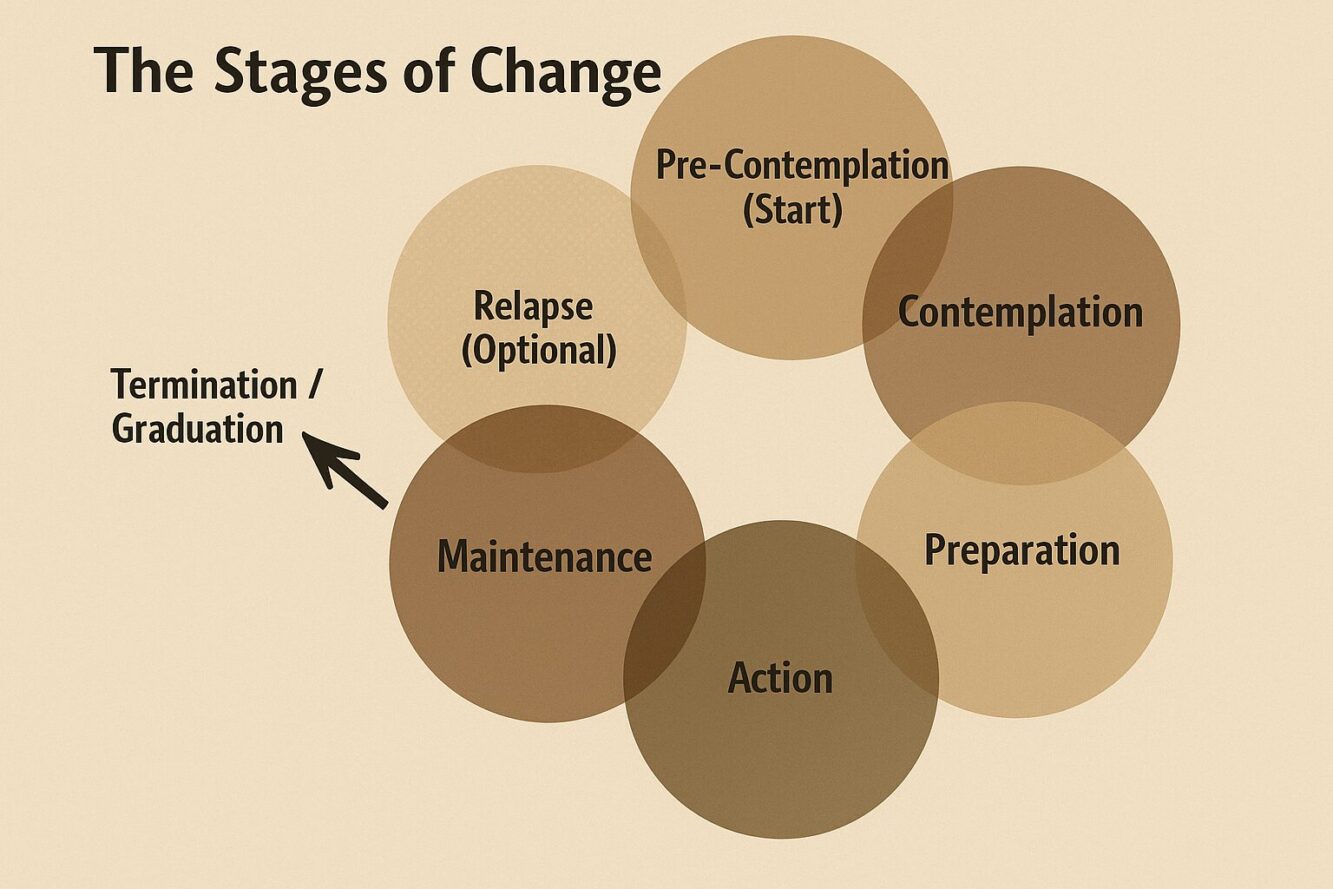
Addiction recovery is rarely a straight line. For many people, change happens gradually, with moments of clarity, hesitation, courage, and sometimes relapse. The Stages of Change model — also known as the Transtheoretical Model— helps us understand this process in a way that is gentle, realistic, and deeply human. If you or someone you love …

Why Do Some People Confuse Pity or Sympathy With Love?

Why-Do-Some-People-Confuse-Pity-or-Sympathy-With-Love.alt

Understanding the difference — and how it shapes relationships affected by trauma, addiction, and codependency When you care deeply about someone who’s struggling — whether with addiction, trauma, or emotional instability — it’s natural to want to help. But sometimes, feeling sorry for someone can become tangled up with romantic or emotional attachment. Many people …

Guilt vs Shame: Understanding the Difference and Why It Matters for Healing

Guilt-vs-Shame-Understanding-the-Difference-and-Why-It-Matters-for-Healing.alt

When you’re supporting a loved one through addiction, trauma, or difficult life experiences, you may hear them say they “feel bad” or “feel ashamed,” but not know exactly what that means. Guilt and shame are often confused for one another — yet they impact us in very different ways. Understanding the difference can help you …

Why Saying “A Part of Me Feels Anxious” Can Be More Helpful Than “I Am Anxious”

a-part-of-me-feels-anxious.alt

When anxiety shows up, it can feel overwhelming. Many of us say things like “I am anxious” or “I’m just an anxious person.” But what if changing just a few words could help you feel calmer, more compassionate towards yourself, and less defined by anxiety? This idea comes from Internal Family Systems (IFS) therapy, a …

7 Common Signs of Codependency in Relationships (And What to Do About It)

7-Common-Signs-of-Codependency-in-Relationships-And-What-to-Do-About-It.alt

Are you always putting your partner’s needs before your own? Do you feel responsible for someone else’s emotions or choices? If so, you may be experiencing codependency—an unhealthy relational pattern that can leave you feeling drained, anxious, or stuck. As a trauma-informed therapist based in Romford and Harold Wood, I support individuals who are struggling …

Healing the Father Wound: Understanding the Root of Emotional Pain

Healing-the-Father-Wound-Understanding-the-Root-of-Emotional-Pain.alt

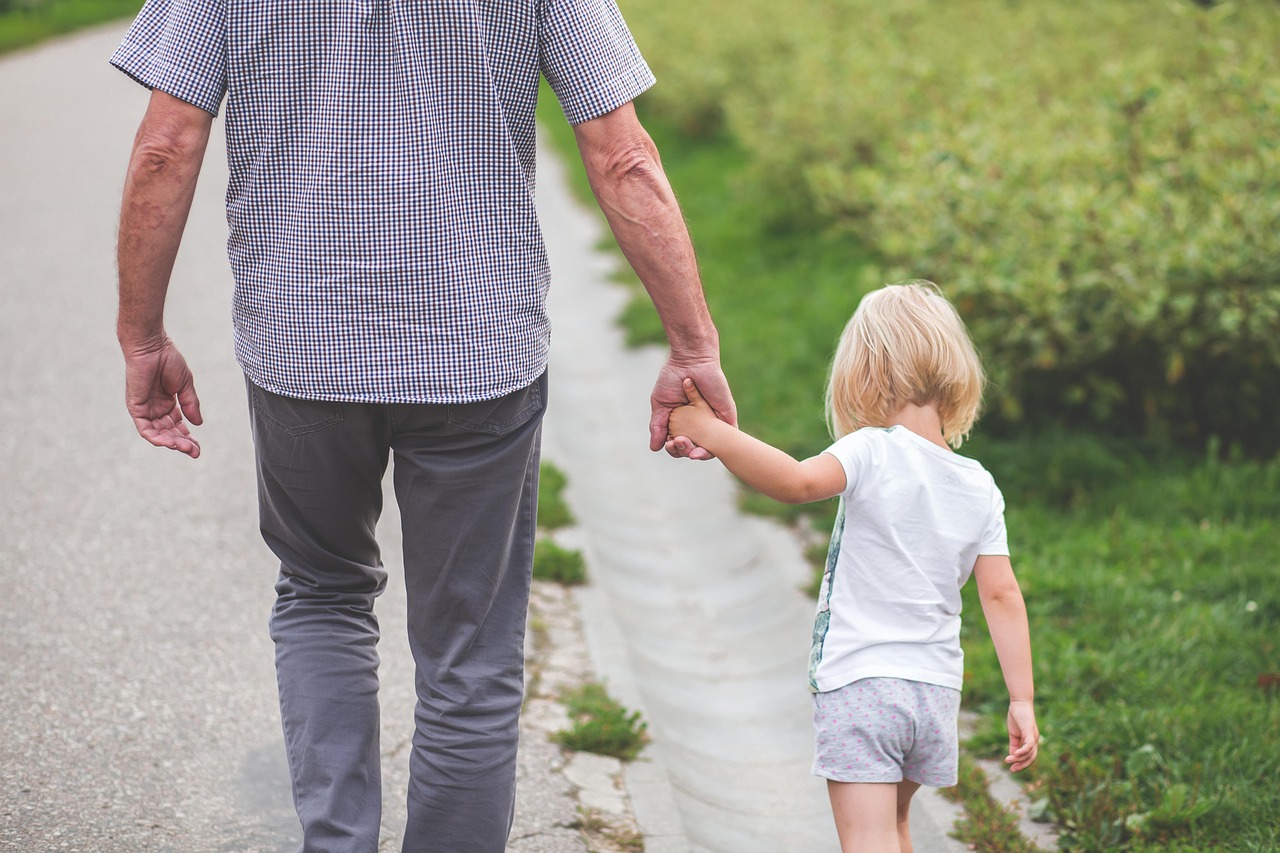
What Is the Father Wound? The father wound is a deep emotional injury caused by a strained, neglectful, absent, or abusive relationship with one’s father or father figure. This wound often develops during childhood and adolescence, but its effects can linger well into adulthood—shaping your sense of identity, self-worth, and capacity for connection. Often unrecognised, …