Why Do I Keep Ending Up in the Same Relationship?

Why-Do-I-Keep-Ending-Up-in-the-Same-Relationship.alt

“I promised myself I’d never date someone like my ex again.” It’s something I hear from clients all the time. Yet months later, they’re sitting in my therapy room describing someone new… and the story sounds painfully familiar. Maybe the new partner isn’t exactly the same person, but the emotional experience is. They’re emotionally unavailable. …

When Addiction Becomes Entertainment: Why Public Shaming Misses the Point

When Addiction Becomes Entertainment.alt

Every time a photo of Daniella Westbrook circulates in the media, the response is depressingly predictable. Comment sections quickly fill with ridicule, mockery, and cheap jokes about her appearance. What’s often missing from these conversations is something basic, yet vital: perspective. Addiction is not a punchline. It is not a personality flaw. And it is …

Underneath Every Behaviour Is a Feeling: Why Curiosity Helps Us Heal More Than Judgement

Underneath-Every-Behaviour-Is-a-Feeling.alt

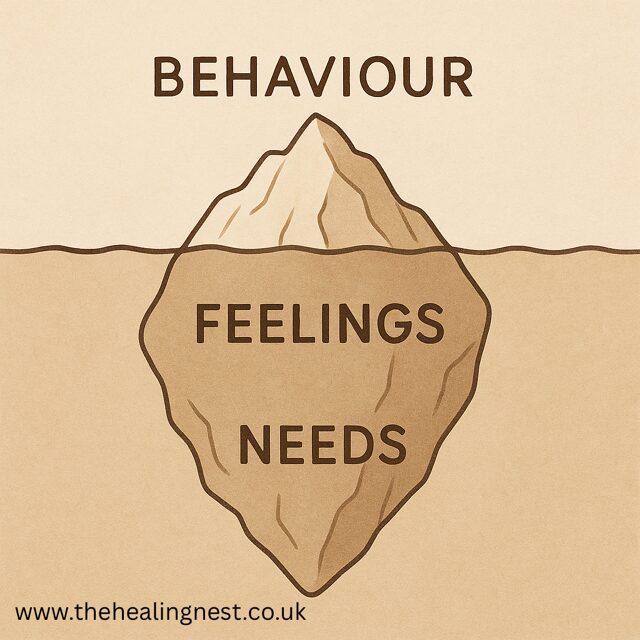
When someone we love behaves in a way that confuses, angers, hurts, or frustrates us, it’s natural to jump to conclusions. We label people as dramatic, attention-seeking, promiscuous, needy, lazy, or difficult.But these labels only tell us what we see. They reveal nothing about what is happening inside. If we look beneath the behaviour, we …

Guilt vs Shame: Understanding the Difference and Why It Matters for Healing

Guilt-vs-Shame-Understanding-the-Difference-and-Why-It-Matters-for-Healing.alt

When you’re supporting a loved one through addiction, trauma, or difficult life experiences, you may hear them say they “feel bad” or “feel ashamed,” but not know exactly what that means. Guilt and shame are often confused for one another — yet they impact us in very different ways. Understanding the difference can help you …

The 4 Types of Codependency: Which One Do You Recognise?

The-4-Types-of-Codependency.alt

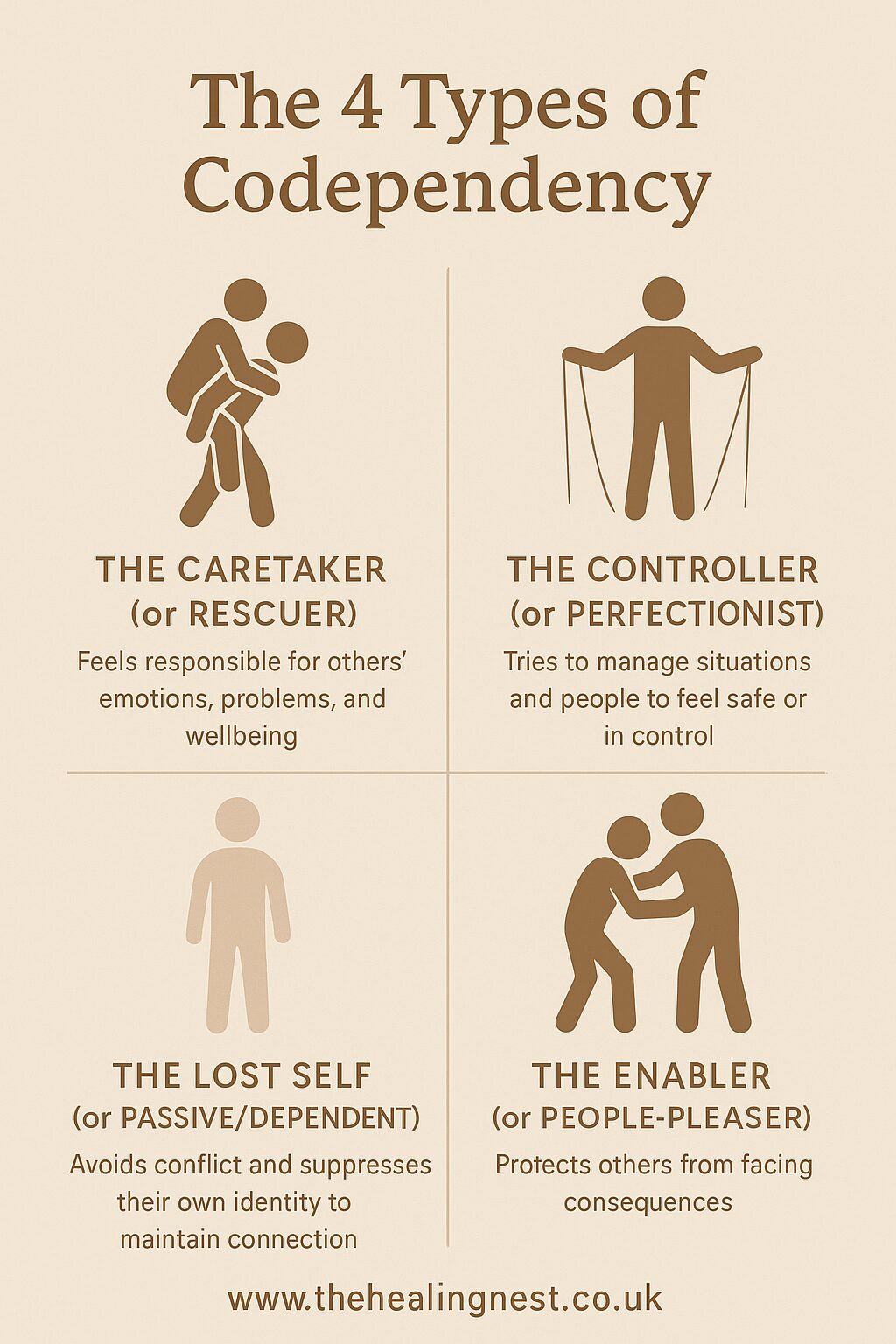
Codependency is a word that gets used a lot, but it can be hard to fully understand. At its core, codependency is about losing yourself in relationships – whether that’s with a partner, family member, or friend. People who struggle with codependency often put others’ needs before their own, feel responsible for other people’s emotions, …

Trauma Bonds vs Healthy Bonds: How to Tell the Difference

trauma-bonds-vs-healthy-bonds.alt

Relationships have the power to heal, comfort, and inspire growth. But when they are shaped by unresolved trauma, they can also trap us in cycles of pain, confusion, and dependency. Many people confuse trauma bonds with love, believing that intensity and emotional highs and lows are proof of a “deep connection.” In reality, what may …

The Hidden Signs of Codependency in Families Affected by Addiction

The Hidden Signs of Codependency in Families Affected by Addiction.alt

When addiction affects a family, the focus is often on the person using drugs or alcohol. But behind the scenes, loved ones can slip into unhealthy patterns that are harder to see. One of the most common — and most misunderstood — is codependency. Codependency happens when a person’s sense of identity, worth, or wellbeing …