Growing up, I had very few safe people in my life. Even the ones who weren’t physically abusive often left me on edge — I never knew what mood they’d be in, or how they’d respond to me. Because of that, I learned to cling to friendships without asking myself if the other person was …
The Circle of Control: A Simple Tool to Ease Overwhelm and Empower Recovery
When life feels chaotic, uncertain, or overwhelming—especially in the context of trauma, addiction, or family stress—it can be hard to know where to start. You might find yourself worrying constantly, trying to manage other people’s choices, or feeling helpless in situations you can’t fix.This is where the Circle of Control comes in. It’s a simple …
Continue reading “The Circle of Control: A Simple Tool to Ease Overwhelm and Empower Recovery”
The Hidden Link Between Codependency, People-Pleasing, and Anxiety
For a long time, I believed I wasn’t an anxious person. In fact, during my marriage, my husband often told me how jealous he was of my calm nature.“I wish I could be like you—you never worry about anything,” he used to say. And for years, I believed him. I thought anxiety meant lying awake …
Continue reading “The Hidden Link Between Codependency, People-Pleasing, and Anxiety”
Healing from Childhood Emotional Neglect as an Adult
Understanding the Silent Wounds and How Therapy Can Help Many people come to therapy carrying pain they can’t quite name. They might say things like: “I had a good childhood—no one hit me or abused me—but I still feel… empty.” “I don’t know how to ask for help.” “I feel numb most of the …
Continue reading “Healing from Childhood Emotional Neglect as an Adult”
The Hidden Link Between Attachment Styles and Codependency
Understanding Why We Lose Ourselves in Relationships—and How to Heal We all long for connection. But for some, relationships can feel like an emotional rollercoaster—full of giving, pleasing, fixing, and, too often, losing ourselves in the process. If you find yourself over-functioning in relationships, neglecting your own needs, or feeling responsible for other people’s emotions, …
Continue reading “The Hidden Link Between Attachment Styles and Codependency”
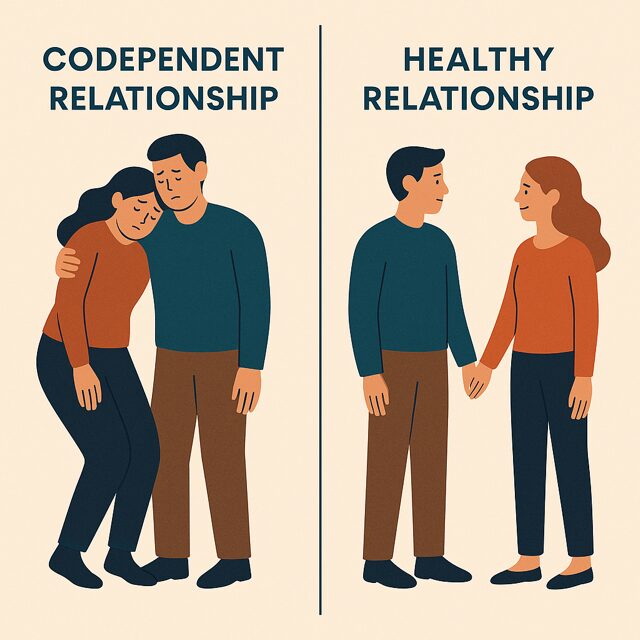
Codependency vs. Healthy Relationships: Understanding the Difference Between Support and Enmeshment
Relationships are meant to be a source of support, joy, and mutual growth. But what happens when the line between caring and controlling gets blurry? Codependency often masquerades as love or devotion, but it can erode both partners’ sense of self. In contrast, healthy relationships are rooted in respect, autonomy, and balance. Here, I’ll explore …
How Is Your Attachment Style Affecting Your Relationship?
According to most psychological estimates, around 90-95% of our mental activity is considered subconscious, meaning only a small percentage (5-10%) is consciously accessible. Most of our daily decisions, habits, feelings, emotions and behaviours are driven by our subconscious mind. The subconscious stores a vast amount of information, including memories, beliefs, and learned patterns. Which is …
Continue reading “How Is Your Attachment Style Affecting Your Relationship?”
Are You Addicted To People?
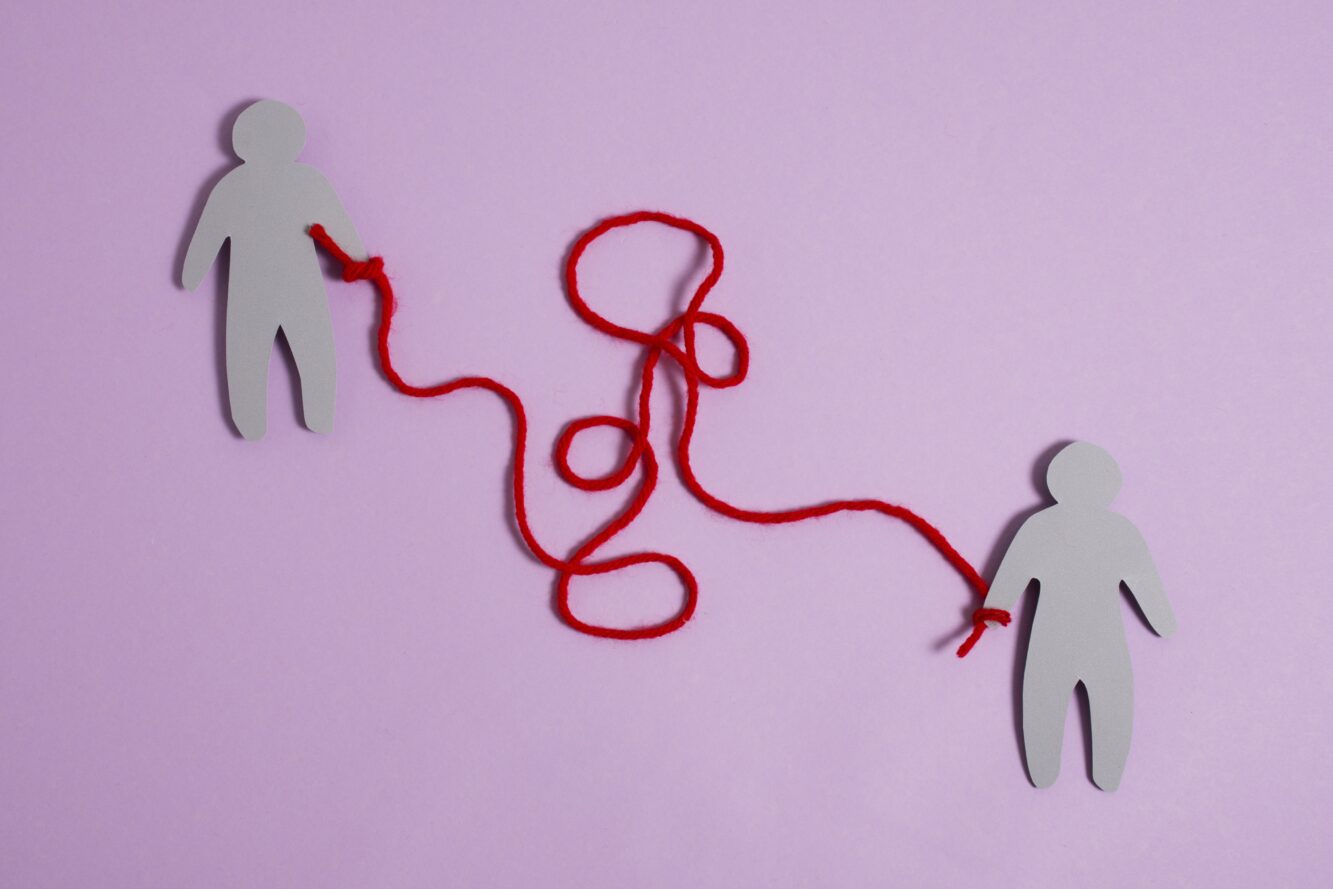
Typically when we think of addiction, we think of alcohol, drugs, sex, or gambling. Although not yet an official diagnosis, a more common, yet far less known form of addiction is an addiction to people. Research from 2016 suggested feelings of intense romantic love activate regions of the brain’s “reward system” — the same regions …
Why A Trauma Bond Feels So Intense
The intense love you feel with a narcissist or when you are in a trauma bond, isn’t actually love. It’s infatuation. It’s addiction. And it is because you are revisiting/reenacting something you went through in childhood from your primary care giver/s. Subconsciously, we keep revisiting what we know, what is familiar. No matter how painful …
Can Trauma Cause Anxiety?
Trauma and anxiety are closely linked. After experiencing a traumatic event, it’s natural to go through a range of negative emotions, including anger, fear, guilt, sadness, and confusion. Anxiety is also a common symptom of trauma, due to its role in our stress responses, also known as fight, flight, freeze, flop or fawn. Anxiety isn’t …