As children, we are dependent on our caregivers. For food, love, safety, warmth and more. We learn to adapt our innate behaviour, in order to ensure our survival. One of the first ways that we adapt during times when we are hurting or lonely is to form an imagination that we are safe, and loved. …
Do You Have Imposter Syndrome?
I was talking to an old friend recently, who has been a writer, publisher and editor for over 30 years, and written speeches for some very high profile people, including a few of our ex-Prime Ministers. As well as having his own books published. We were discussing how far he had come since our childhood, …
How Your Attachment Style (and trauma) Shows Up In Friendships
Growing up, I could always make friends easily. I was funny, popular, a fabulous raconteur, and the life and soul of every party. At school, I had girl friends arguing over who was going to sit next to me in class. I was one of the ‘cool’ kids who all the boys wanted to date. …
Continue reading “How Your Attachment Style (and trauma) Shows Up In Friendships”
Shame vs Self-Worth (and how to heal)
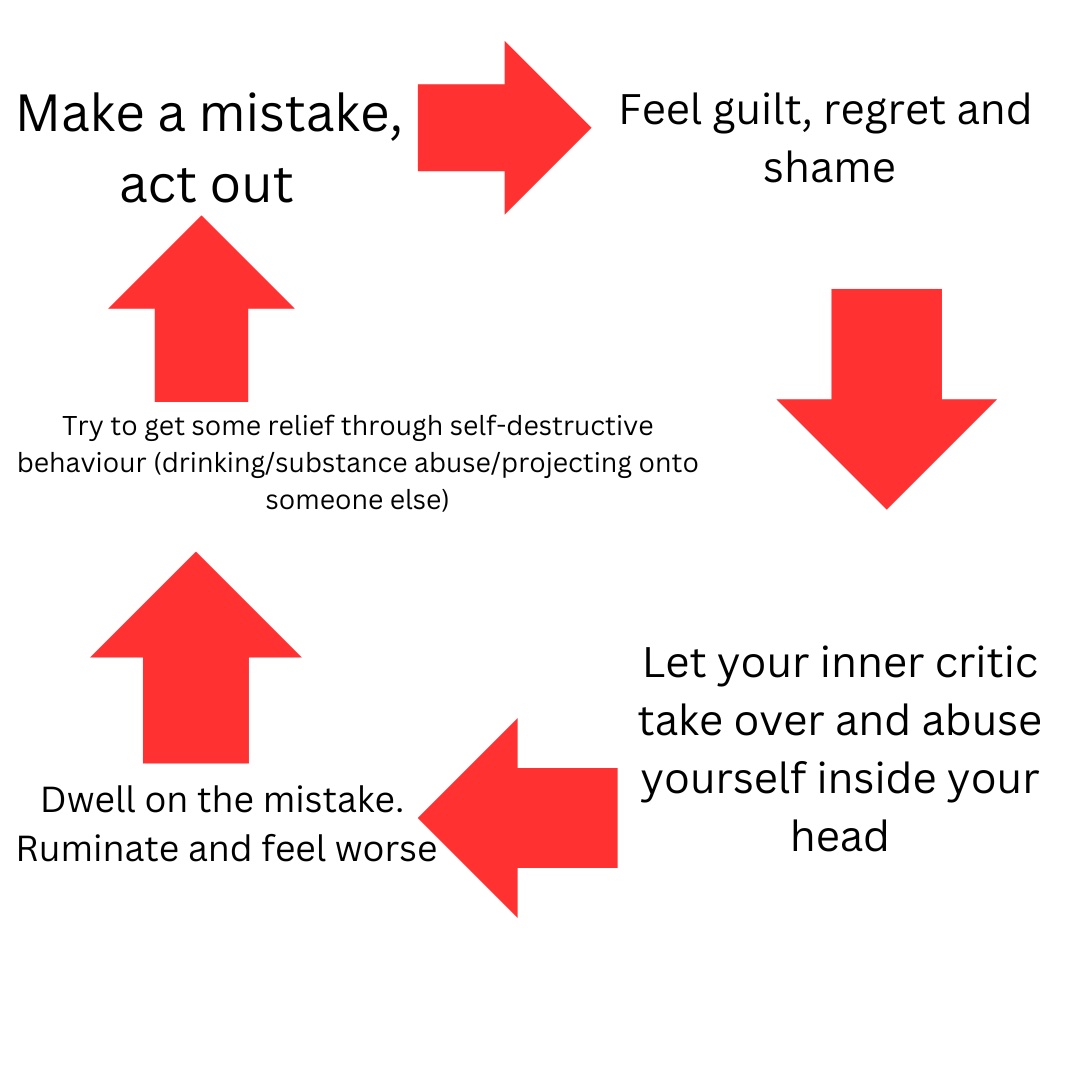
Toxic shame is literally the opposite to Self-Worth. Toxic shame is a feeling deep down that we are worthless. It usually begins in childhood, when we are criticised by parents/caregivers, teachers or other adults (who we believe know better than we, as children, do). Normal shame is healthy. We begin to develop shame between …
What Is A ‘Felt Sense’?
“A felt sense is not a mental experience but a physical one. A bodily awareness of a situation or person or event. An internal aura that encompasses everything you feel and know about the given subject at a given time—encompasses it and communicates it to you all at once rather than detail by detail. Think …
‘Unlearning’ Learned Helplessness
Learned Helplessness is a phenomenon that occurs when a series of negative outcomes or stressors causes someone to believe that the outcomes of life are out of one’s control. While learned helplessness can affect anyone, it often takes root in early childhood. However, trauma experienced in adulthood can also leave you feeling helpless. Martin Seligman …
PTSD and EMDR
The word ‘trauma‘ comes from the Greek word for ‘wound’. So trauma is literally a wound in our mental state. Like any physical wound. Post-Traumatic Stress means anything that leaves an emotional residue in the system and interferes with its normal function. The various facets of Post-Traumatic Stress are innumerable; however, we can categorize them …
Get To Know Your Vagus Nerve
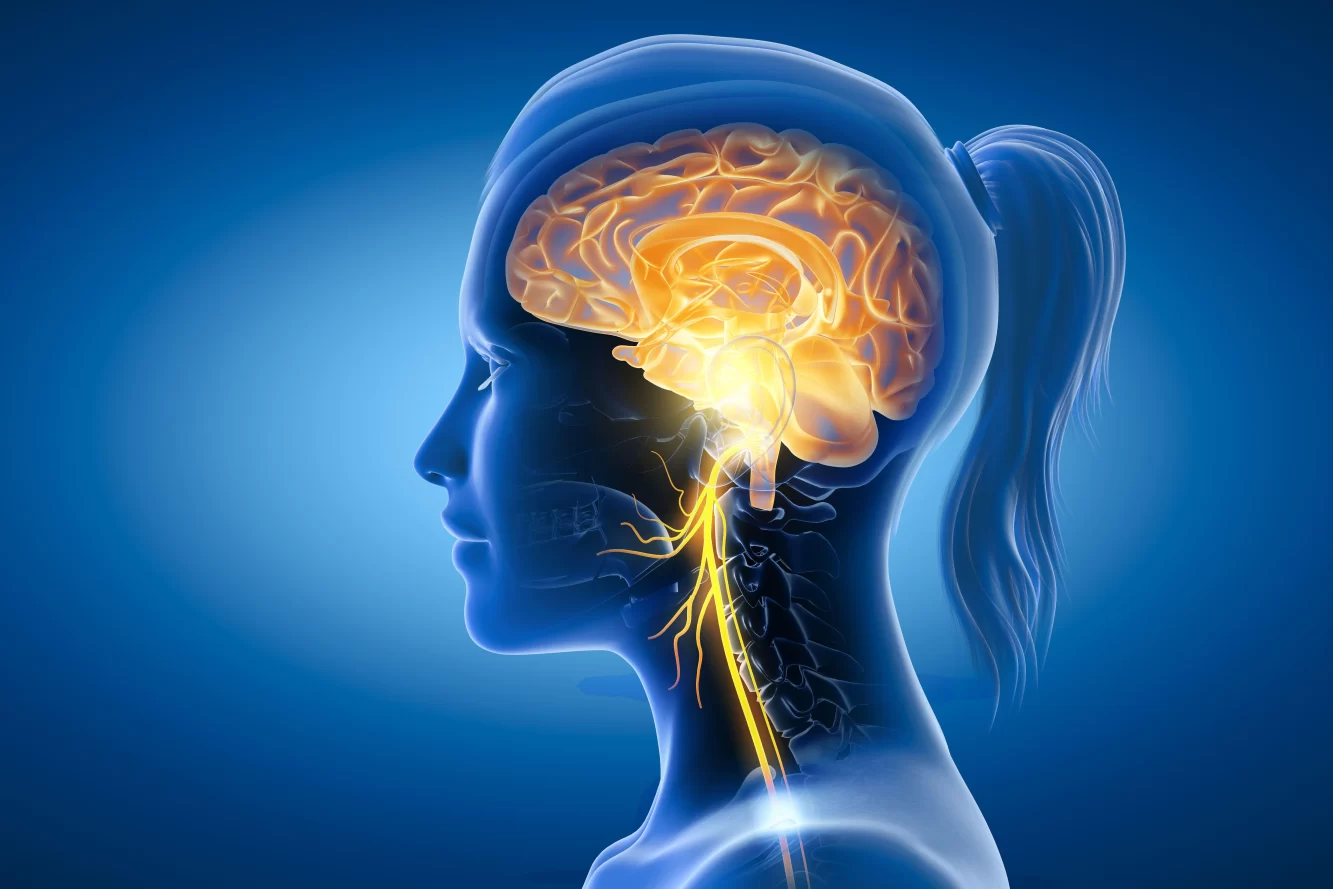
The vagus nerve is the longest nerve in our body, running from the brain stem to part of the colon, supplying both our organs and our brain with vital information. The word “vagus” means wandering in Latin, and the vagus nerve is a wandering cranial nerve that communicates to every organ in our body, especially …
When Trauma And Pain Show Up As Crazy In Relationships
My daughter asked me recently where the term ‘bunny boiler’ comes from. I laughed, as I recalled Glenn Close’s psychotic character in ‘Fatal Attraction‘ and how, after the huge success of the film in the 80s, any female who demonstrated a glimmer of insecure behaviour was labelled a bunny boiler, relating to the scene where …
Continue reading “When Trauma And Pain Show Up As Crazy In Relationships”
Are You Abandoning Your Self?
As soon as we are born, life comes at us. We all need attachment, to survive, and if your parents or caregivers didn’t meet your emotional needs fully, you were abused, abandoned, or neglected, you will feel unworthy and unlovable deep down. You will learn behaviours to cope and to keep yourself as safe as …